

Net Positive Labs initiated an experimental wine project in Spain’s Sierra de Gredos region to explore how regenerative agriculture and net positive production principles can be applied in practice. Working with local growers and winemakers, the initiative focuses on low-intervention viticulture, preservation of old vines, and environmentally responsible vineyard management.
The project produces limited yearly batches of wine from the El Pinillo plot, a small parcel located at approximately 810 meters altitude, surrounded by native flora, trees, and granite rock formations characteristic of the region’s mountain landscape. The vineyard covers less than one hectare, with vines that in some cases are more than 70 years old.
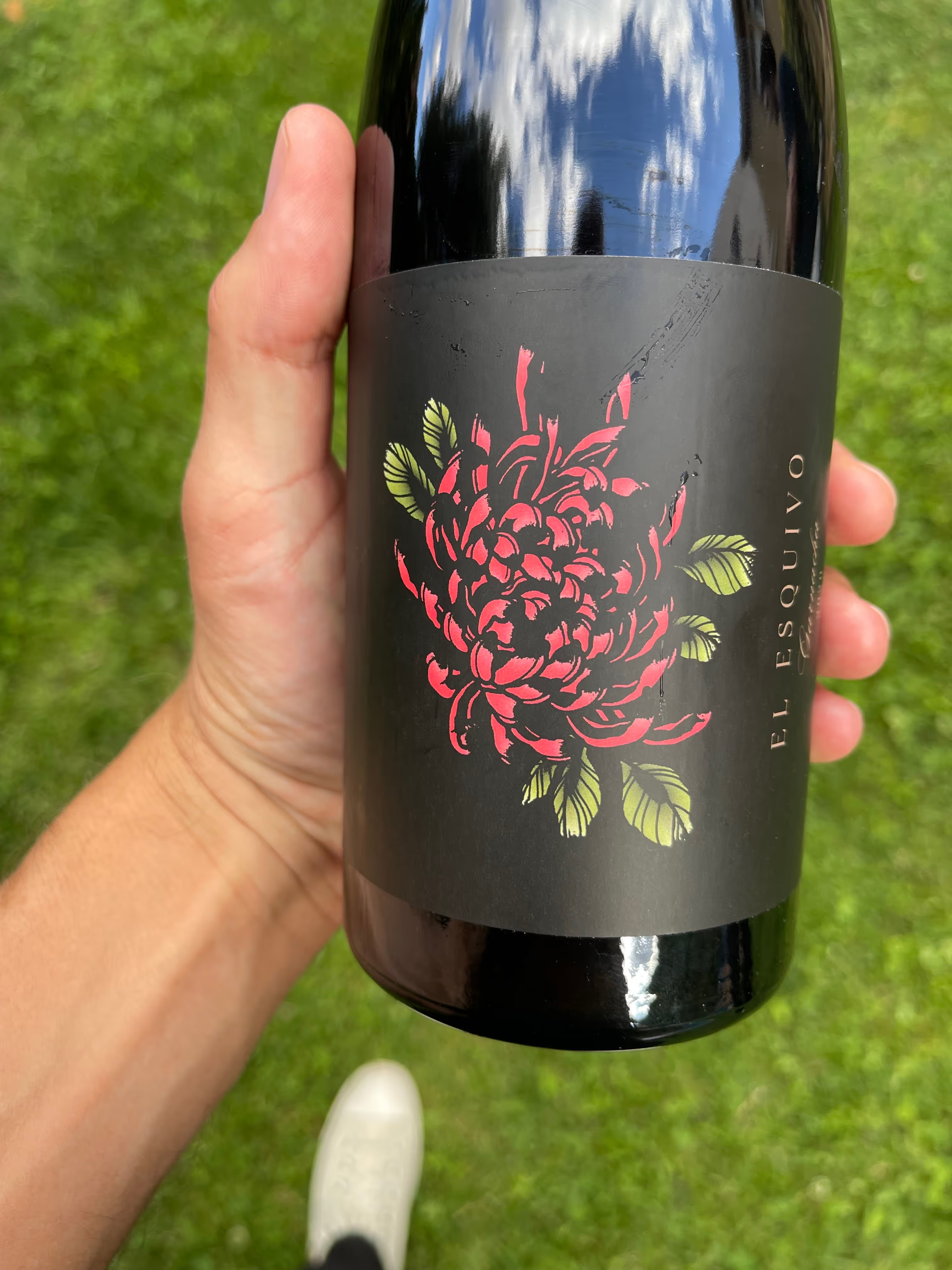
Since the project began, three vintages have been produced: 2020, 2021 (currently available), and 2022, which will soon be released. Each vintage is intentionally small and crafted as an exploration of how agricultural production can combine craftsmanship, ecological regeneration, and local economic value.
Beyond wine itself, the initiative serves as a practical experiment in how food and agricultural systems can move beyond sustainability toward net positive outcomes.
Wine production is deeply connected to landscapes, ecosystems, and local communities. Yet the wine industry, like many agricultural sectors, faces increasing pressure to adapt to environmental challenges including climate change, soil degradation, and biodiversity loss.
Across Europe, a new generation of winemakers is exploring more regenerative approaches to viticulture. These practices focus on restoring soils, reducing chemical inputs, and preserving the ecological balance of vineyards while maintaining the cultural heritage and craftsmanship associated with traditional wine production.
The Sierra de Gredos region, located west of Madrid, has become one of the most interesting examples of this shift. Characterised by rugged granite soils and high-altitude vineyards often located between 700 and 1,000 meters, the region has gained growing recognition for producing distinctive wines from old vines planted across steep mountain slopes.
Many of these vineyards were established decades ago by small family growers. Today, some plots contain vines that are over 70 years old, producing relatively small yields but offering remarkable complexity and expression of terroir.
Inspired by the region’s unique character and by our broader interest in regenerative economic models, we began exploring whether it would be possible to produce a wine that goes beyond sustainability, aiming instead for a net positive impact on both the environment and local communities.
Could a small-scale wine initiative demonstrate how agricultural production can create positive environmental and social outcomes rather than merely reducing harm?
Wine production sits at the intersection of agriculture, culture, and craftsmanship, while also benefiting from a growing global market of consumers interested in environmentally responsible production.
Within this context, we began collaborating with local producers to explore a small experimental wine production rooted in the Gredos region.
The plot selected for this initiative is known as El Pinillo, a small vineyard located at approximately 810 meters altitude. The parcel covers less than one hectare and is surrounded by native vegetation, trees, and granite outcrops typical of the mountain landscape.
The vines, some of them more than seven decades old, continue to produce fruit that reflects the distinctive conditions of the landscape.
Rather than pursuing industrial-scale production, the project focuses on small-batch experimentation aimed at demonstrating principles of regenerative and low-impact winemaking.
Respecting the Character of the Vineyard
Grapes are harvested selectively, with particular attention given to preserving the integrity of the fruit and the natural character of the vineyard.
Only carefully selected bunches are used, and the winemaking process emphasises minimal intervention to allow the wine to express the characteristics of the plot.
Natural Fermentation and Low-Intervention Practices
The wine is fermented using native yeasts naturally present on the grapes and in the environment, avoiding industrial yeast strains and supporting a more natural fermentation process.
The grapes are only partially destemmed, and the production process avoids synthetic chemical inputs, allowing the resulting wine to maintain a strong connection to the terroir of the vineyard.
Moving Toward Net Positive Production
Beyond winemaking techniques, the broader ambition of the project is to explore what net positive production might look like in practice.
This includes:
• environmentally responsible vineyard management
• minimising greenhouse gas emissions across the production process
• contributing to local employment and economic activity
• preserving old vines and traditional agricultural landscapes
The goal was not only to reduce environmental impact but to actively contribute to the regeneration of the natural and social systems involved in production.
The result of this initiative is a limited yearly wine batch that reflects both the character of the Sierra de Gredos landscape and the principles behind regenerative production.
Since the start of the project, three vintages have been produced:
• 2020; first experimental vintage
• 2021; currently available
• 2022; soon to be released
Given the small size of the El Pinillo parcel (less than one hectare) and the relatively low yields of the old vines, each vintage remains intentionally limited.
For us, the project demonstrates how even small agricultural initiatives can integrate environmental responsibility with craftsmanship and local economic value creation.
For us, this wine project is both a personal passion and a practical exploration of how regenerative production models can take shape in the real world.
Rather than a purely conceptual exercise, the initiative is rooted in hands-on collaboration with growers, winemakers, and local partners in the Sierra de Gredos.
Each year’s batch emerges directly from this process; shaped by the conditions of the vineyard, the people involved, and the ongoing learning that comes from working closely with the land and the community.
.svg)
